Mechanical Engineering
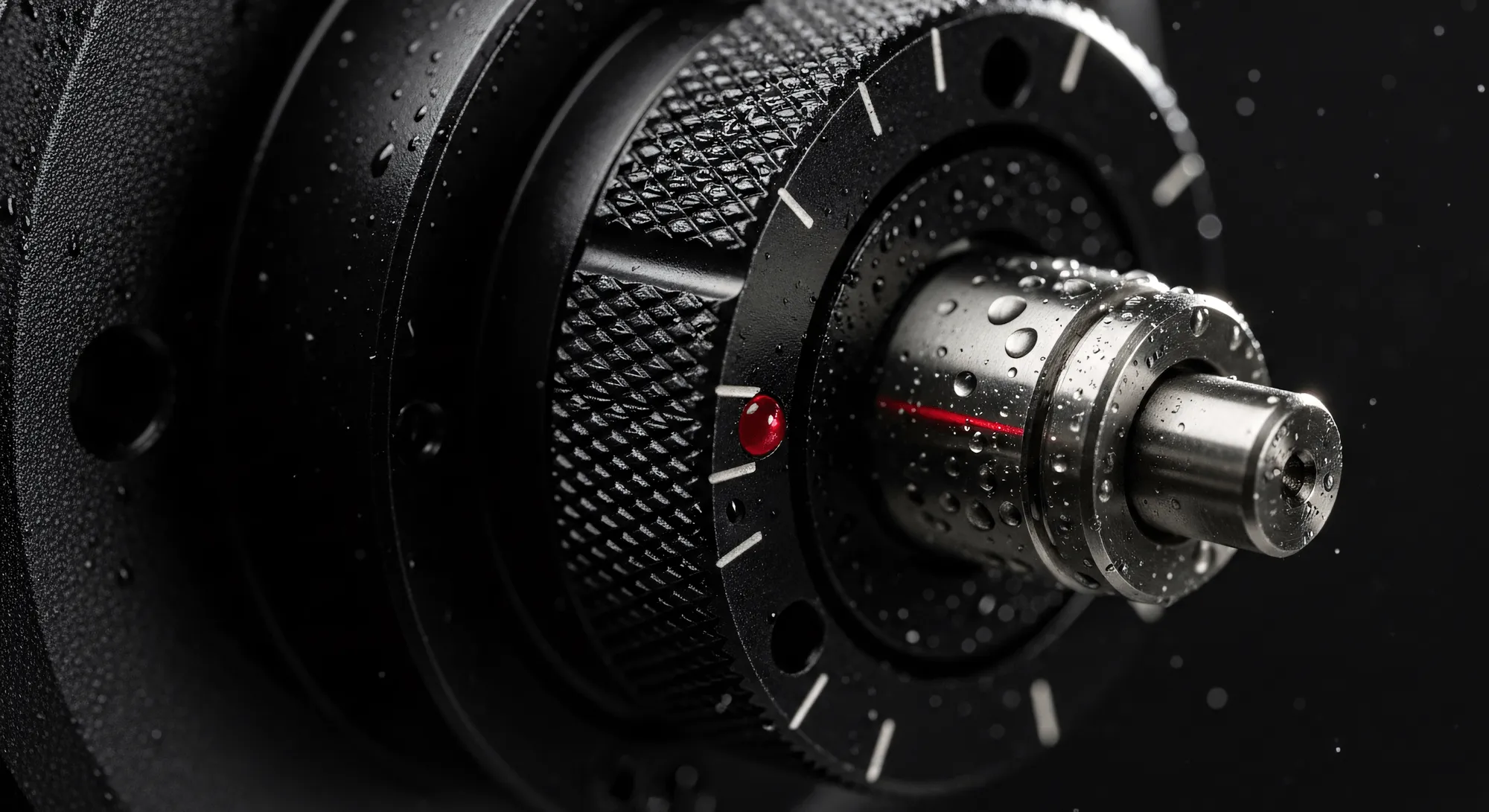
Mechanical engineering at Momentum is built on precision, performance, and manufacturability. We design robust mechanisms, enclosures, assemblies, and structural components that perform reliably in real‑world conditions. Our engineers balance strength, durability, cost, and production constraints to create systems that are both elegant and practical.
Clients can expect detailed CAD development, tolerance analysis, material selection, and iterative refinement. We validate designs through simulation and prototyping to ensure they meet performance requirements before moving into production. Every decision is made with long‑term reliability and scalability in mind.
Our mechanical engineering team works closely with electrical and firmware engineers to ensure seamless integration across disciplines. This reduces rework, accelerates timelines, and results in a product engineered as a cohesive whole.
Electrical Engineering
Our electrical engineering team designs the electronic systems that power your product. From custom PCB layouts to power management, sensor integration, and communication protocols, we build electronics that are reliable, efficient, and ready for scale. We focus on performance, manufacturability, and long‑term stability.
Clients can expect a full electrical development cycle: schematic design, component selection, PCB layout, prototyping, and testing. We ensure every board is optimized for noise reduction, thermal performance, and assembly efficiency. This reduces risk and ensures your electronics perform consistently across production runs.
We also consider supply chain realities and select components that are available, cost‑effective, and scalable. This prevents delays and ensures your product can be manufactured without disruption.
Firmware & Embedded Systems
Firmware is the intelligence behind your hardware. We develop embedded systems that are stable, efficient, and scalable—integrating sensors, connectivity, control logic, and user interfaces into a seamless experience. Our firmware is built for reliability, low power consumption, and long‑term maintainability.
Clients can expect a structured development process that includes architecture planning, coding, debugging, and hardware‑in‑the‑loop testing. We ensure firmware and hardware evolve together, reducing integration issues and accelerating development.
Our team specializes in IoT devices, consumer electronics, robotics, and custom embedded systems. Whether your product requires BLE connectivity, sensor fusion, motor control, or real‑time processing, we build firmware that performs.
Systems Integration
Brand Integration ensures your product doesn’t just function well—it feels unmistakably yours. We align form language, materials, finishes, and details with your brand identity so the product becomes a natural extension of your company’s values and aesthetic. This creates a cohesive experience across packaging, marketing, and the product itself.
Clients can expect a thoughtful exploration of brand cues, competitive landscape, and visual identity. We translate these elements into physical form, ensuring the product communicates the right message the moment someone sees or touches it.
This level of integration strengthens brand recognition, elevates perceived value, and creates a premium, unified experience.
Simulation & Analysis
Simulation and analysis allow us to validate performance before building physical prototypes. We use stress, thermal, motion, and tolerance simulations to predict how your product will behave under real‑world conditions. This reduces risk, shortens development cycles, and ensures engineering decisions are grounded in data.
Clients can expect detailed reports, visualizations, and recommendations based on simulation results. We identify weak points, optimize geometry, and refine materials to ensure the product meets performance requirements.
This step is especially valuable for products with structural loads, heat generation, moving parts, or tight tolerances.